
In today’s blog, our Re-Shape team are talking about how to take control of your snacking and make it work for your health and wellbeing goals.
Why do we snack?
It’s always worth pausing before you reach for a snack to ask yourself, ‘why do I want this?’
For some, it’s because they are genuinely hungry, for others it’s because they are bored, stressed or doing it out of habit.
Often, having this awareness is your first step to making positive changes to your snacking choices.
Let’s go through them one by one:
You’re genuinely hungry or low on energy
Your body needs some fuel. You may have been for a big workout or perhaps you haven’t eaten enough in your previous meal. Having a protein and fibre-rich snack can be a useful tool to bridge the gap between your next meal.
It’s a habit
Perhaps you have an evening routine that involves watching the TV and something sweet, or maybe you meet up for coffee and always have a cake.
Just being aware of this, can help you decide on what to do about it.
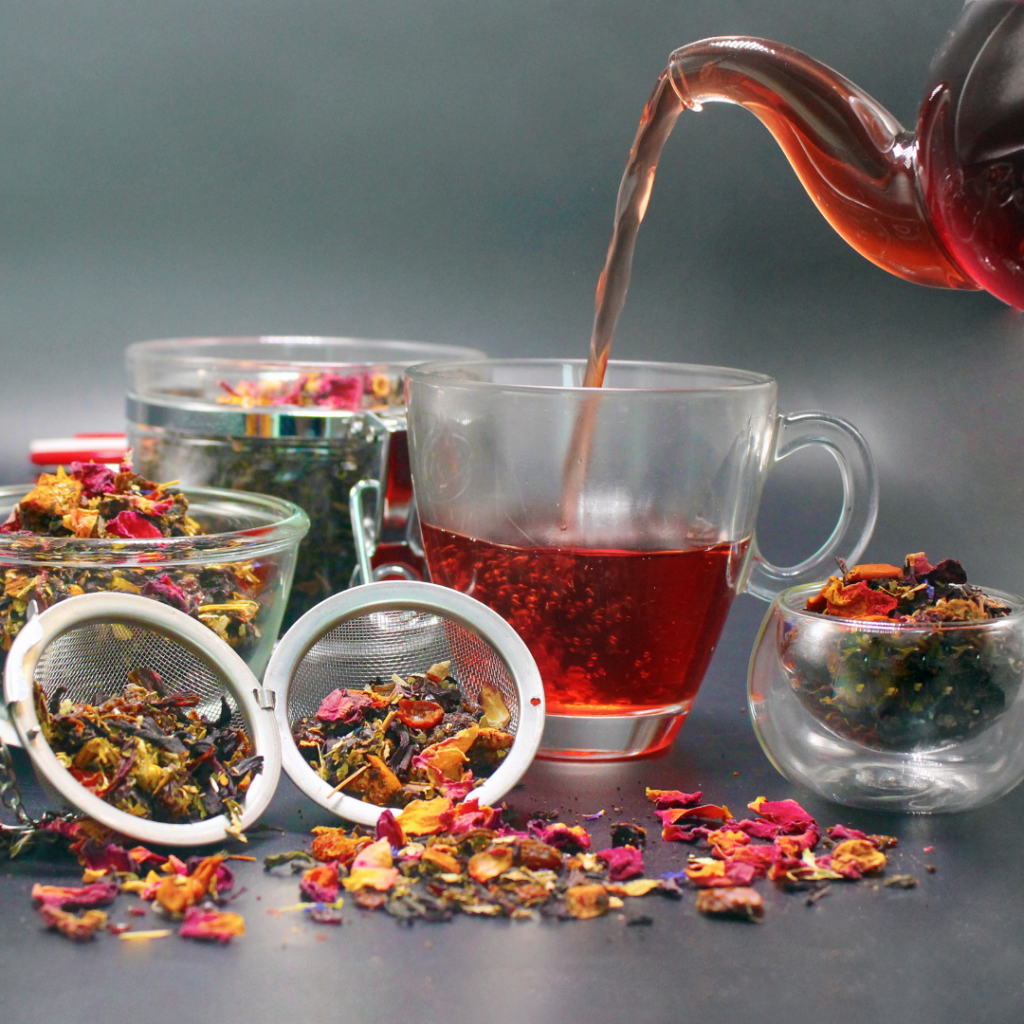
Often switching up the routine, like changing the environment or activity can help. You may even like to try an activity that uses your hands (e.g drinking herbal tea, crochet, colouring, light resistance bands).
Habits often follow a reward loop called cue-routine-reward, to break it, you need to interrupt the cycle. Identify the trigger, replace the activity and reinforce the behaviour consistently.
It’s a response to an emotion
For a lot of people, food can be a source of comfort, especially when experiencing difficult emotions. It may be worth exploring some of these experiences and feelings with someone you trust, such as a family member, friend or therapist.
Looking into alternative coping mechanisms that aren’t food-based, is another option.
What is mindless snacking?
When we aren’t focused on what we’re eating, it’s easy to overconsume more food than we intended, this can make a weight management journey very tricky.
By adopting a mindful approach to eating, the practice of paying our full attention to eating our food, we can start to regain autonomy over our eating habits.
How do I take a more mindful approach to snacks?
You can start to do this by checking in with yourself before and ask yourself why you would like to have a snack.
Some people find keeping a food journal helpful, this is a space for you to jot down how you’re feeling, the time/place and what you’re choosing to snack on.
You may even follow-up with an entry after you’ve eaten, on how you feel now.
This tool is useful for noticing any patterns, whether it’s a particular time/day, which can be useful for creating a plan to address your eating habits.
Being more mindful can also be consuming your food in a non-distracting environment, such as away from the TV, phones or laptop. However sometimes this is unavoidable, so you may choose to pre-portion your snack, to prevent overconsumption.
What is considered a healthy snack?
Here at One You Cheshire East, we believe every food can be enjoyed in moderation to support the long-term success of a healthy diet.
Sometimes, you may snack on something more indulgent, however if you are snacking regularly, it may be worth considering the nutritional quality of the snack.
By prioritising protein and fibre at snack time, you may find you feel more satisfied and less likely to overeat. This is because protein and fibre contribute to feelings of fullness.
Many popular snack foods (e.g crisps, chocolate, biscuits, cake) are highly processed and contain a mixture of refined carbohydrates and fat.
This combination is particularly rewarding to our brains, which is why they are so easy to overconsume.
Where possible, reduce snacks high in carbohydrates and fat and opt for protein and fibre instead, even better if you can make something at home.
You may be thinking, where do I start or what can I eat that’s high in protein?
We’ve put together a list of ideas below to help get you started, snacks you can make yourself, ones to watch out for and healthier swaps to your normal snacks.
Ideas for minimally processed snacks you can make yourself:
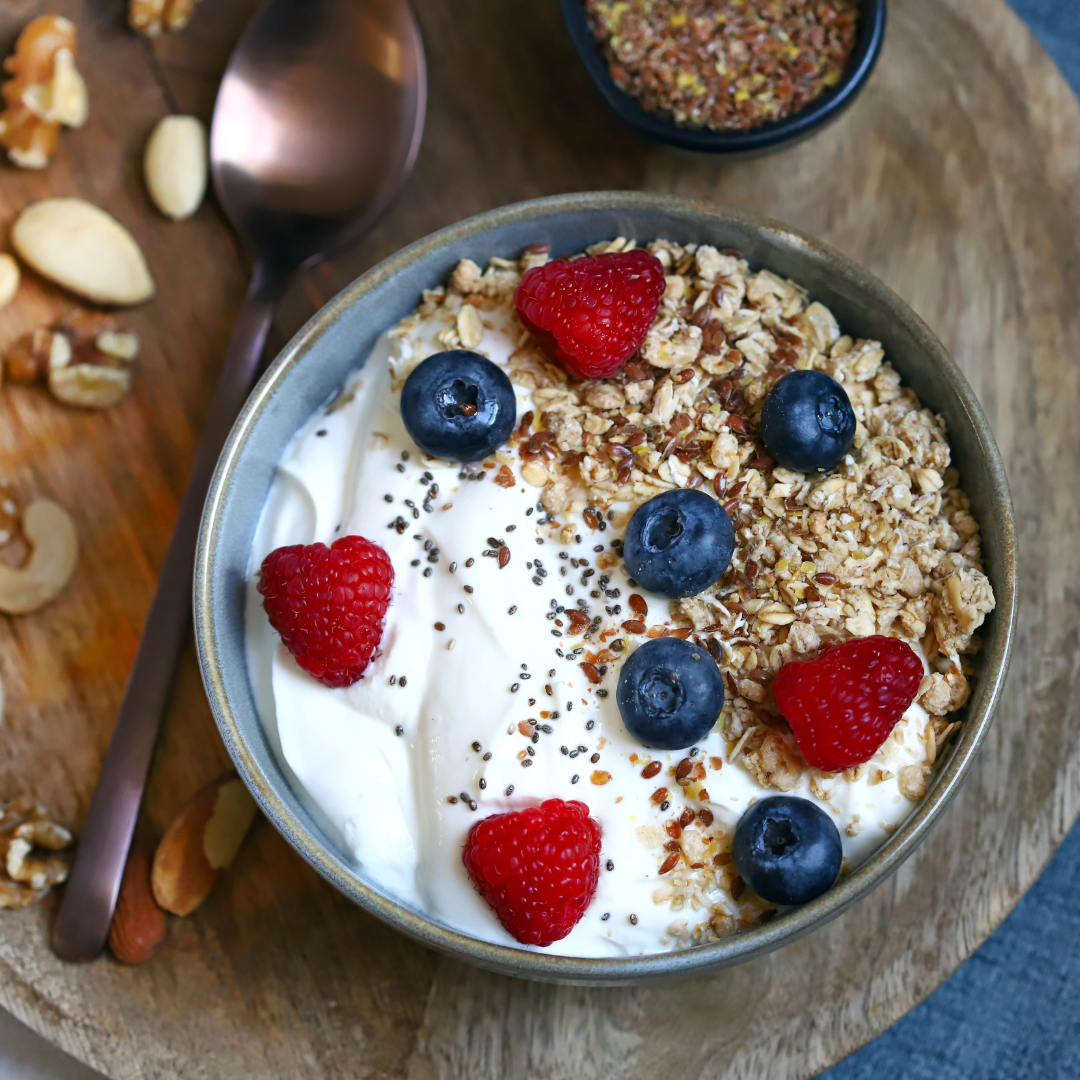
• 0% Greek yogurt with berries and nuts/seeds
• Veggie sticks (carrots, cucumber, celery, pepper) with 3 tbsp hummus.
• Hardboiled eggs
• Homemade popcorn (made on the stove)
• Cottage cheese and tomatoes on a rice cake
• Homemade trail mix (nuts, seeds, dried fruit – maybe a few dark chocolate buttons)
• Roasted chickpeas
• Banana/apple slices with almond butter and cinnamon (try and find a 100% nut butter with no added salt, fat or sugar)
• Fruit and low-fat cheese cubes on sticks
• Low fat cheese (1 slice) wrapped in a slice of turkey or ham
• Medjool date with almond butter
• Fruit salad
• Herbal tea (different flavours available)
• Mackerel pate or tinned mackerel on toast/crackers
• Chia seed pudding
• Wholemeal pitta slices, cucumber and hummus
• Guacamole on toast
• Homemade flapjack
• Smoothie (add some protein)
• Pesto toast with tomato and mozzarella
• Smoked salmon and a poached egg
• High fibre pancakes (add flaxseed, wholemeal flour – pair with fruit and Greek yoghurt or some nut butter for some protein)
• Crumpet and a poached egg with some greens (maybe spinach or asparagus)
• Olives, cucumber, hummus, crackers (wholegrain)
• Tuna (in spring water) mixed with tomatoes, cucumber, hummus, a little olive oil and black pepper.
• Nut butter on wholemeal toast
• Fruit and nut bars (check ingredients)
• Chopped tomatoes on whole meal toast with a drizzle of olive oil.
• Small portion of tortilla (Spanish Omelette)
Check out our Healthy Homemade Hummus recipe: Healthy Homemade Hummus – One You Cheshire East or date bite recipe for a sweet treat: Healthy Date Bites Recipe – One You Cheshire East
Watch out for these snacks that are marketed as healthier choices:
Certain snacks marketed to us as being a “healthier choice” might not be as healthy as they claim. Here are some snacks you may wish to swap:
• Yogurt-coated raisins, pretzels, nuts or coffee beans (often high in sugar and fat)
• Shop bought salted nuts (often high in salt)
• Gluten free cakes and sweet treats (still high in sugar like cakes)
• Flapjacks or granola bars (often high in calories, sugar and fat)
• Low or full-fat flavoured yogurt and granola pots (sugar/sweeteners often added)
• Premade smoothies or juices (contains natural sugars but easy to overconsume)
Healthier alternatives to common snacks:
We all have snacks that no amount of cottage cheese can replace in flavour, however we want to reduce the frequency of these snacks where possible. Here are some alternatives to commonly eaten snacks:
• Crisps → Make kale crips or have a small bag of sea salted popcorn
• Chocolate bars → Try a few squares of 70% dark chocolate
• Cake & Biscuits → Make your own with mashed banana, oats and chocolate chips
• Sweets → Make your own homemade trail mix with nuts, seeds, dried fruit
• Pastries → Sourdough toast with avocado and seasoning of choice
Let us know which snack you’d love to try first! And if you have made any of the healthy recipes above, share your photos and videos with us on social media by tagging us in, we love to see what you have made.
One You Cheshire East is commissioned by Cheshire East Council and delivered by Everybody Health and Leisure.