

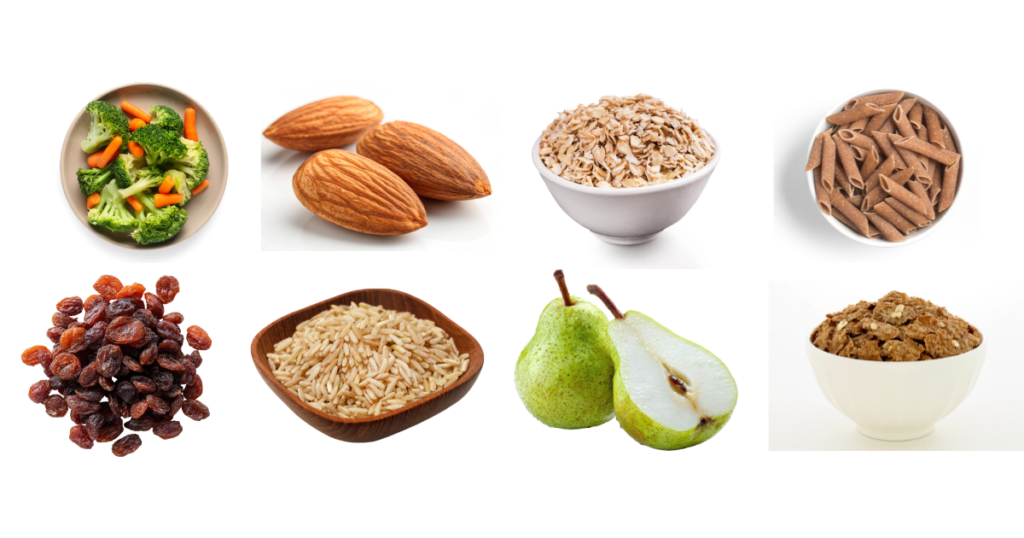
Fibre is one of the simplest yet most powerful nutrients we can add to our daily diet, but most of us aren’t getting nearly enough.
Found naturally in plant-based foods like fruits, vegetables, whole grains, nuts, seeds, and legumes, fibre plays a vital role in keeping our digestive system running smoothly. It supports healthy gut bacteria, helps regulate blood sugar and cholesterol, and even keeps us feeling fuller for longer.
In this blog, we’ll explore what fibre actually is, the different types and how they work, the many health benefits of eating more of it, and easy ways to boost your intake without overhauling your entire diet.
From simple swaps to delicious meal ideas, you’ll discover just how effortless (and enjoyable) it can be to reach your recommended 30g a day.
Let’s dive into the world of fibre.
What Is Fibre
Fibre is essential for a healthy, functioning digestive system it is a type of carbohydrate found in plant-based foods such as fruits, vegetables grains nuts and seeds that the body cannot digest.
The body does not break fibre down as energy it passes through our intestines, aiding digestion, acting as a prebiotic to feed gut bacteria and help regulate blood sugar and cholesterol.
Types of Fibre
There are two main types of Fibre.
Soluble – Dissolves in water helping lower cholesterol and glucose, we find this type of fibre in oats, beans and fruits.
Insoluble – As it implies does not dissolve, this helps keep everything moving adding bulk to prevent constipation, we find this in Wholegrains and Vegetables.
Prebiotics – A type of Carbohydrate that feeds your gut bacteria, we have all heard of ‘good’ bacteria well prebiotics are what help with is, we find them is garlic, onions, bananas and asparagus.
Resistant starch – This fibre is broken down by the good bacteria in our gut, helping maintain a strong gut lining, whilst also reducing inflammation in our intestines. We find this in cooked potatoes, beans, legumes and even green bananas.
The Benefits
One of the main benefits of eating fibre and I’m guessing the one most of us of heard of is helping keep us regular, fibre helps stimulate the bowel and adds bulk to our poo meaning it helps us go to the toilet. Combining this with drinking enough water and we have a great combination.
Eating a diet rich in fibre is also associated with a reduced risk of cardiovascular disease, how you ask well foods such as oats and barley contain soluble fibre called beta-glucan, this creates a gel in our guts that helps to bind cholesterol stopping the body from absorbing it.
Eating a diet rich in fibre can also help control your blood sugars, how? Fibre rich foods don’t spike our blood sugar levels so choosing higher fibre foods over lower fibre ones such as whole grains over white is a good switch if you’re needing an easy switch to reduce your sugars.
Whilst all of the above information are great reasons to switch to some higher fibre options, another great reason is it can help us maintain a healthy weight and simply because it keeps us fuller, so switching to foods rich in fibre really is simple and rewarding to our bodies.
Recommended intake
It is recommended that adults aim for 30g of fibre a day. Which most of us are probably not getting, we need to be eating a range of plant-based foods to rich our recommended intake.
Where to find Fibre
By making some simple switches, from white foods such as pasta, rice, bread these can be changed to whole-wheat options if your really not a fan how about 50/50 it’s a better choice without the impact if switching across straight away.
Fruits and Vegetables contain a wide variety of fibre, so by adding either a fruit or a vegetable and each meal or snack is a simple way of enjoying more fibre rich foods without feeling that’s all your eating. Adding fruit to your breakfast cereal, some salad to your sandwich for lunch and then vegetables to the side of your evening meal, how easy is that?
Beans and pulses are another great option when trying to eat more fibre, these can be added to meals, can be the main event of a meal or even something as simple as adding to your salad or as a side to your main meal.
The most important thing when thinking about adding more fibre to your daily eating habits is take it slow, adding it quickly can upset out bodies causing gas and bloating so little and often to begin with, slowly adding more as we start to enjoy…
If you need a little help to get started foods that are rich in fibre –
- Fruits – Berries, pears, apples, avocado, bananas
- Dried Fruit – Dates, raisins and apricots
- Vegetables – Broccoli, carrots, cabbage, brussels sprouts and sweet potato.
- Pulses/legumes – Lentils, chickpeas, kidney beans and edamame
- Whole Grains – oats, brown rice, wholegrain pasta, rye bread and bran cereal
- Nuts and seeds – chia seeds, sunflower seeds and almonds.
Meal Ideas
BREAKFAST- Home-made Muesli
Adding some chopped up dates, apricots and raisins to your oats with some chopped almonds, sunflower and chia seeds mixed together, this can be made into porridge or overnight oats, when serving add some berries or a banana to make a filling fibre rich breakfast.
LUNCH- Soup
Simple easy way of enjoying your favourite vegetables, not a fan of soup as the warmer weather arrives simply adding salad such as lettuce, tomatoes and cucumber to a sandwich or a wrap is a simple way of added more to what we are eating. Or a great option to add both vegetables and pulses to a meal is a poke bowl combining all our favourites into one tasty meal.
EVENING MEAL
Find what you enjoy and add it to your plate, half of your evening meal should be a lovely rainbow of colour, once you’ve found what you like it makes it an easy choice, this can be hot or cold but veggies make a great accompaniment for most foods that we like to enjoy, stir fry, casseroles.
It is about trying new things, you never know what your new favourite might be if you haven’t tried it 😊